Mental Burnout Workbook 2025
Feeling drained before noon? Struggling to focus, make decisions, or even care about things you used to love? You’re not broken—you’re likely experiencing mental burnout. The Mental Burnout Workbook 2025 isn’t another generic self-help PDF. It’s a thoughtfully structured, clinically grounded, and deeply practical tool designed for adults who juggle deadlines, caregiving, creative projects, and personal growth—all while trying to stay emotionally afloat.
This isn’t about fixing yourself in one weekend. It’s about building sustainable resilience—one editable page, one mindful breath, one honest reflection at a time. Whether you're a freelance designer burning out on client revisions, a teacher managing 30+ students and zero prep time, or an entrepreneur scaling too fast without support—the Mental Burnout Workbook 2025 meets you where you are: tired, thoughtful, and ready for real change.
What Makes This Workbook Different—And Why It Works
Most burnout resources fall into two camps: overly clinical (hard to apply) or oversimplified (easy to dismiss). The Mental Burnout Workbook 2025 bridges that gap. Every worksheet is purpose-built—not just to look good, but to prompt insight, shift perspective, and spark action.
You’ll get high-resolution PDF, JPEG, and PNG files—crisp, print-ready, and optimized for digital use. And because it’s fully editable in Canva (no design skills or paid subscriptions required), you can personalize colors, fonts, headers, or even rearrange sections to match your workflow. Need a version with dyslexia-friendly type? Swap it in. Want to add your brand logo for team use? Done. That flexibility means this isn’t a static download—it’s a living tool you adapt as your needs evolve.
Real Tools for Real Exhaustion
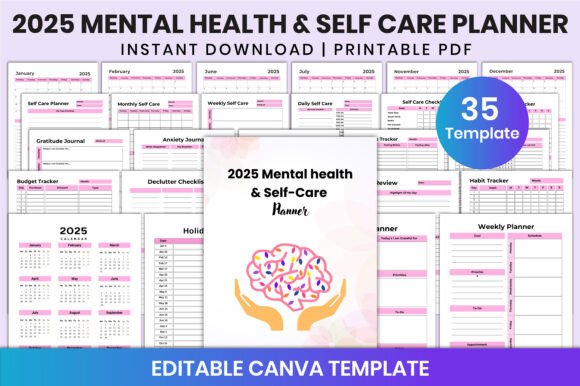
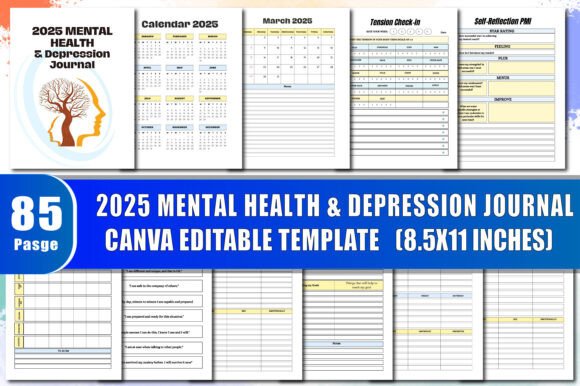
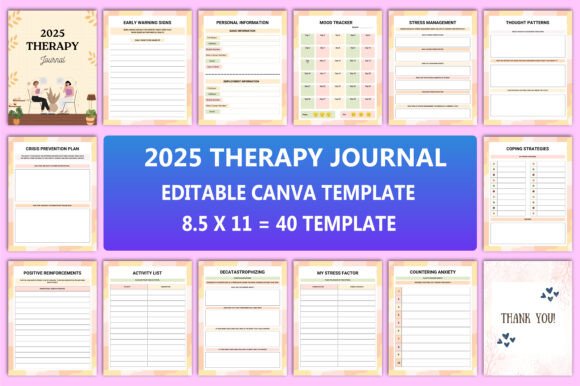
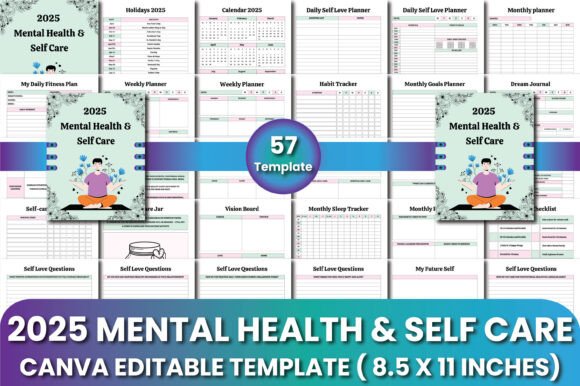
The interior isn’t filler. Each section serves a distinct psychological or behavioral function:
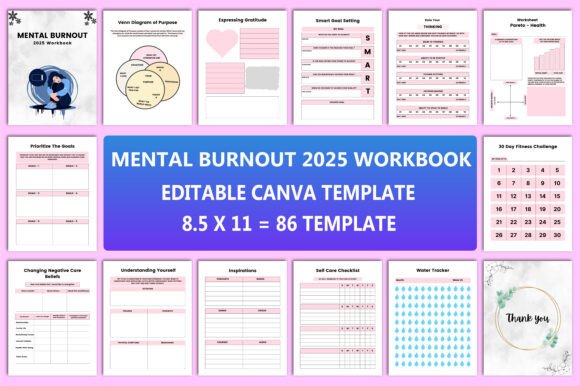
- Break it Down helps fragment overwhelming tasks into psychologically digestible steps—critical when executive function feels compromised.
- Let Nature In and Calm Yourself With a Star Breathing Brain Break offer sensory grounding techniques backed by polyvagal theory—ideal for quick resets between Zoom calls or after emotional labor.
- The Venn Diagram of Purpose moves beyond vague “find your passion” advice and guides you to identify where your strengths, values, and real-world impact meaningfully overlap.
- Worry Workbook and Symptoms Tracker turn abstract anxiety into observable patterns—helping you spot early warning signs before they escalate.
- Triangle Breathing Brain Break and Progressive Muscle Relaxation worksheets include clear visual cues and timed prompts—making evidence-based regulation accessible, not intimidating.
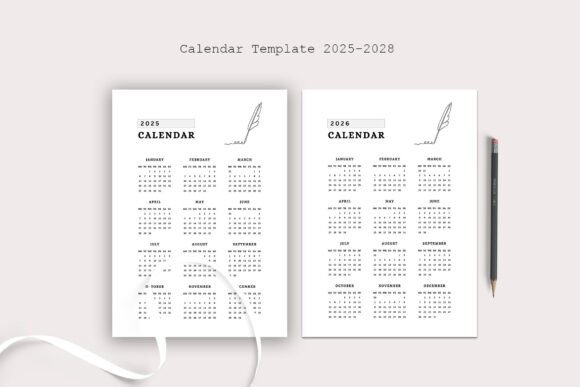
Even the 2025 Calendar is intentional: monthly planners include dedicated space for “Review Your Goals,” “Define Your Values,” and “Practice Self-Compassion”—not just scheduling, but anchoring intentionality into routine.
How Professionals Actually Use It
A marketing director uses the Behavior Tracker and Stress Factors pages to correlate late-night email spikes with increased irritability in team meetings—then adjusts her communication boundaries accordingly.
An educator prints the 5 Minutes Journal and Weekly Gratitude sheets for student wellness check-ins, adapting prompts for teens without diluting their therapeutic value.
A freelance writer layers the SMART Goal Setting and Pareto – Health worksheets to prioritize client work that aligns with both income goals *and* energy preservation—cutting low-return tasks without guilt.
Small business owners embed the Contact List and Doctor Visits trackers into their operations dashboard—because health maintenance isn’t separate from business sustainability.
Design That Supports Recovery—Not Adds to It
We know cognitive load matters. That’s why the layout avoids clutter, uses generous white space, and applies consistent visual hierarchy. No tiny fonts. No competing icons. No forced positivity. The color palette is intentionally soft—not sterile, not saccharine—supporting calm without numbing.
The 30 Day Fitness Challenge doesn’t demand gym access or equipment; it focuses on movement variety, consistency over intensity, and linking physical action to mood shifts. Similarly, the Vitamins Supplements tracker includes space for notes on how specific nutrients correlate with energy, sleep, or focus—so you’re not guessing, you’re observing.
Practical Considerations Before You Begin
This workbook works best when used *with* your reality—not against it. Start small: pick *one* tool per week. Try the 5 Things Gratitude Tool every Monday morning for 10 minutes. Or use Rate Your Thinking after a tough meeting—not to judge yourself, but to notice thought loops without getting stuck in them.
If you’re sharing it with a team or clients, the editable Canva format lets you remove sensitive prompts or add organizational context—say, aligning My Bucket List with company values or integrating Control Your Clutter into remote-work onboarding.
It’s also built for iteration. The Reflection Prompts aren’t meant to be “finished.” Revisit them monthly. Compare your January “Define Your Values” answers with your June ones. Growth isn’t linear—and neither is recovery.
More Than a Download—It’s a Commitment to Yourself
Burnout isn’t laziness. It’s not weakness. It’s your nervous system signaling that current demands exceed available resources—physiological, emotional, or environmental. The Mental Burnout Workbook 2025 doesn’t ask you to push harder. It gives you permission—and practical scaffolding—to pause, assess, adjust, and reconnect.
You’ll find no toxic positivity here. No “just meditate more” shortcuts. Just grounded, actionable, human-centered tools—designed by someone who’s sat in the same exhaustion, then spent years translating research into usable formats.
Whether you’re rebuilding after collapse, preventing relapse, or simply honoring your limits in a world that rarely does—the Mental Burnout Workbook 2025 meets you with clarity, compassion, and quiet competence. Not as a cure-all. But as a companion worth keeping open on your desk, tablet, or nightstand—exactly where you need it most.