Bill Payment Kdp Tracker Logbook
Keeping track of bills, mileage, and business expenses doesn’t have to mean juggling spreadsheets, sticky notes, or half-filled notebooks. The Bill Payment Kdp Tracker Logbook—paired with a dedicated mileage log book KDP template—is designed for real-world use: clean, functional, and built specifically for Amazon KDP publishing. It’s not just another printable—it’s a tested, ready-to-upload PDF file sized at 8.5 x 11 inches, with 100 total pages (including an intro page), and crafted with clarity in mind.
Many creators assume any lined notebook or generic log template will work for KDP. That assumption leads to delays, formatting rejections, or poor buyer experiences. A “good enough” logbook may look fine on screen—but when uploaded to KDP, it can suffer from inconsistent margins, blurry text, misaligned grids, or unoptimized bleed settings. Worse, some sellers reuse outdated or poorly structured templates that don’t reflect current IRS mileage deduction standards or modern bill-tracking best practices.
Why “Ready to Upload” Matters More Than You Think
A truly KDP-tested logbook means more than just fitting the dimensions. It means the interior PDF has been validated against Amazon’s latest preflight checks: correct CMYK color mode (not RGB), embedded fonts, proper 0.125" bleed, and no transparency issues. It also means the page count is divisible by 2 (since KDP prints in signatures), and that every page—including the intro—uses consistent spacing, readable typography, and intuitive layout logic.
One common oversight? Assuming “printable PDF” equals “KDP-ready.” Many free or low-cost downloads are optimized for home printing—not commercial book production. They often use system fonts that won’t embed, include hyperlinks (which KDP strips out), or rely on interactive elements that disappear upon upload. The result? A rejected manuscript, wasted time resubmitting, or a final product where grid lines vanish or page numbers shift unexpectedly.
Design Isn’t Just Aesthetic—It’s Usability
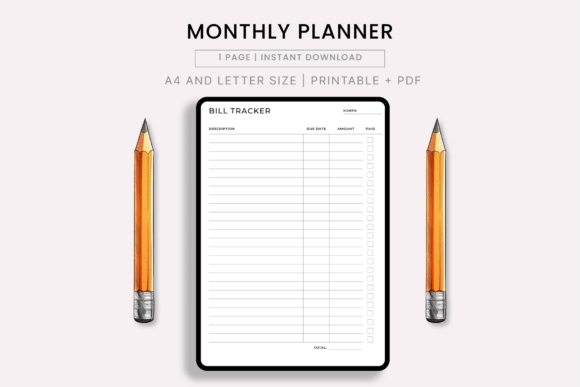
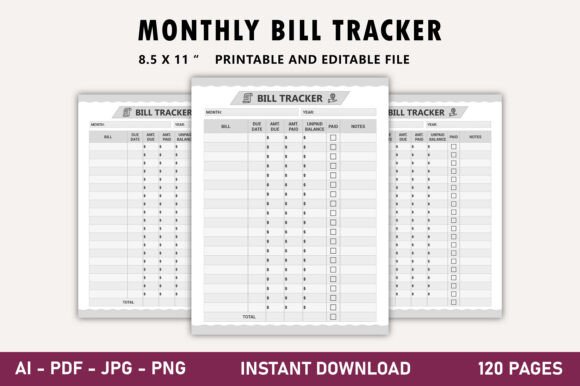
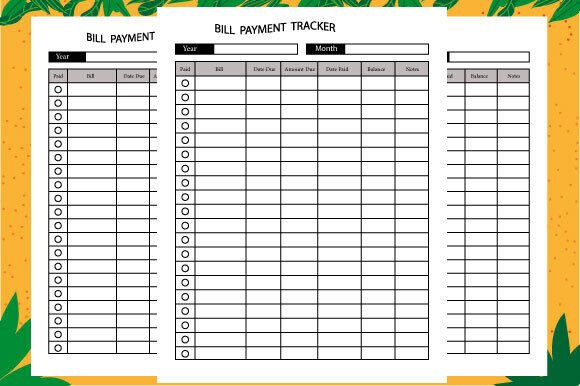
This Bill Payment Kdp Tracker Logbook uses a unique design rooted in function: clear section headers, generous line spacing, subtle shading for visual hierarchy, and purpose-built tables—not generic grids. For example, the bill payment tracker includes columns for vendor name, due date, amount, payment method, and status—with enough width to write clearly without crowding. The mileage log portion follows IRS-recommended fields: date, odometer in/out, purpose, destination, and total miles—no guesswork, no missing categories.
Compare that to logbooks that cram too much into one row or skip essential context (like distinguishing between business, medical, or charitable mileage). Those omissions create friction: users double-check rules, second-guess entries, or abandon the log altogether. A well-structured logbook reduces cognitive load—and increases consistency over time.
What to Check Before You Upload—or Buy
Before downloading or uploading any mileage log book KDP or Bill Payment Kdp Tracker Logbook, verify these five points:
- Page count integrity: Does it land cleanly on 100 pages (or another KDP-friendly count like 96, 104, or 112)? Avoid odd totals like 97 or 103—they trigger binding complications.
- Intro page inclusion: Is there a clean, branded title page? Not just a blank cover—but a functional intro that explains usage, includes space for owner info, and sets expectations.
- Real-world testing: Has it been uploaded and ordered as a physical proof? Screenshots aren’t enough. A true KDP test means holding the printed copy, checking alignment, ink density, and spine readability.
- Typography legibility: Are fonts embedded and readable at 10–12 pt size? Avoid thin weights or overly decorative typefaces—even if they look sleek on screen, they fade or blur when printed.
- Consistent spacing: Do all rows, columns, and margins breathe evenly? Uneven gutters or cramped lines make handwriting difficult and scanning unreliable.
These details seem small—until you’re revising your third upload because the date column shifted on page 42.
How This Logbook Solves Real Problems
Take Sarah, a freelance graphic designer who tracks both client invoices and her weekly commute. She tried three different logbooks before switching to this Bill Payment Kdp Tracker Logbook. Her old version had no column for “payment method,” so she scribbled “Zelle” or “Venmo” in margins—making year-end reconciliation messy. Another version used light gray gridlines that vanished when photocopied for her accountant. With this version, she writes once and references easily: the layout supports both pen and light pencil, the paper weight suggestion (60–70 lb) is noted in the intro, and the mileage section aligns precisely with IRS Form 4562 requirements.
Or consider Marcus, who runs a small HVAC service. He needed a log he could hand to his two technicians—no training required. The mileage log book KDP portion uses bold headers, generous row height, and minimal distractions. No instructions buried in footnotes. No ambiguous labels like “Trip Type”—just “Business / Medical / Charitable / Moving,” with checkboxes.
Practical Tips for Getting the Most From Your Logbook
You don’t need to overhaul your workflow to benefit. Start small:
- Use the intro page to personalize: Write your business name, tax ID (if applicable), and preferred tracking period (e.g., “Jan–Dec 2025”). That way, every time you open it, context is immediate.
- Review weekly—not just yearly: Set a recurring 15-minute slot each Friday. Scan for missed entries, flag unusual amounts, and cross-check with bank feeds. Consistency beats volume.
- Pair digital backups wisely: Snap a photo of each completed page and store it in a dated folder. Don’t rely solely on cloud sync—if your phone dies mid-entry, you’ll thank yourself for the paper trail.
- Update your process, not just the tool: A great logbook won’t fix disorganized habits. Anchor usage to existing routines—e.g., “I log mileage right after turning off the ignition” or “I update bills while reviewing my email inbox each morning.”
The Bill Payment Kdp Tracker Logbook isn’t about perfection—it’s about lowering the barrier to consistent, compliant recordkeeping. It’s for people who value time, accuracy, and quiet confidence when tax season arrives. And because it comes as an instantly downloadable PDF—fully formatted, KDP-tested, and thoughtfully designed—you skip the trial-and-error. You get clarity, not clutter.